
What to Consider Before Buying a New Commercial Hood System
What every restaurant and commercial kitchen should know
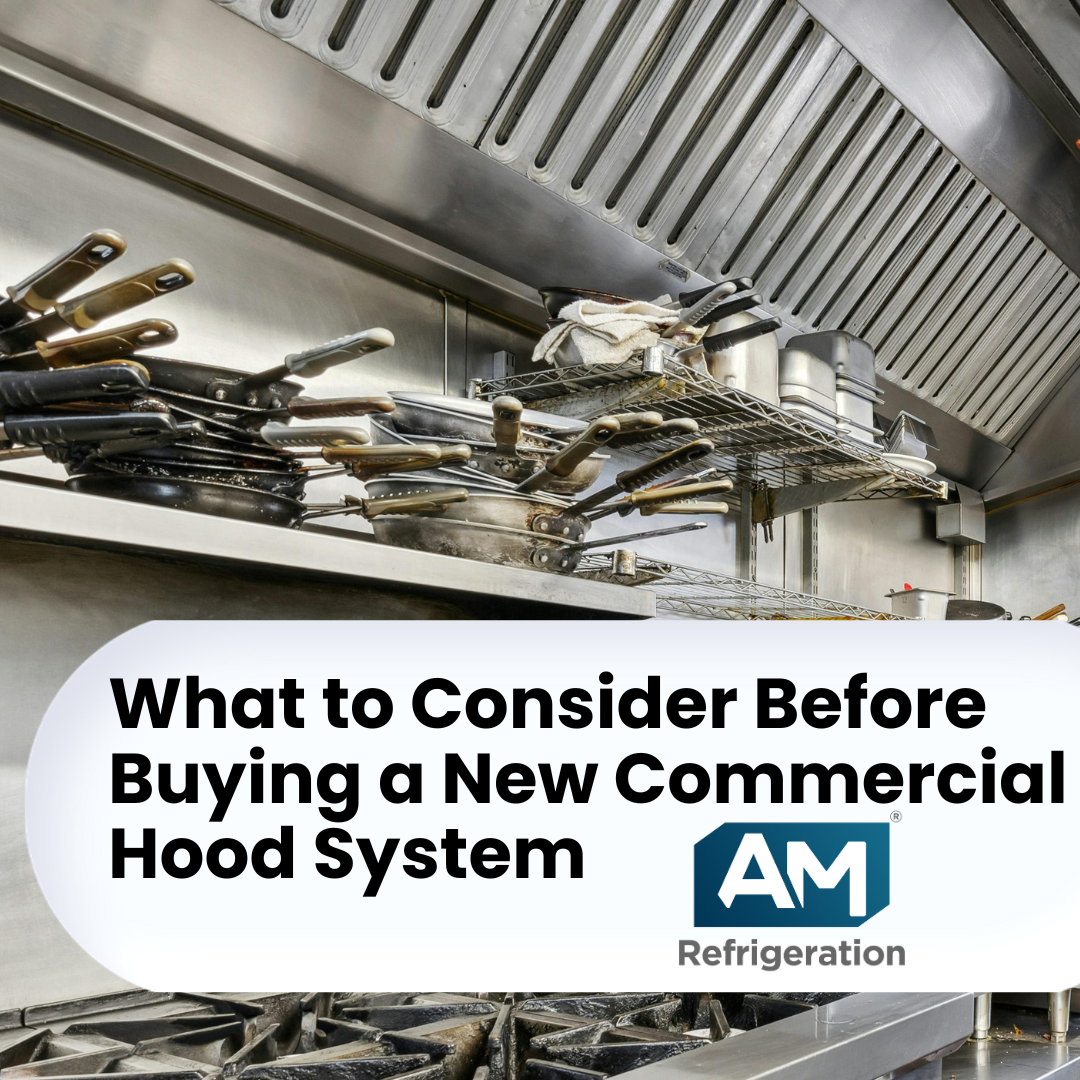
Opening a restaurant is exciting - but behind the scenes, critical equipment decisions can make or break your operation. One of the most important (and often misunderstood) systems is your commercial kitchen hood system.
Choosing the wrong hood can lead to code violations, poor air quality, excessive heat, higher energy costs, and expensive retrofits down the road. Before you invest, here’s what every restaurant owner should consider.
1. Type of Cooking Equipment You’ll Use
Not all kitchen hoods are the same and they’re not one-size-fits-all. Your hood system must match the heat, smoke, grease, and combustion byproducts your equipment produces.
* Type I hoods are required for grease-producing equipment like fryers, griddles, charbroilers, and ranges.
* Type II hoods are used for heat and steam only (dishwashers, ovens without grease).
Installing the wrong type can delay permits or force costly changes after inspection.
2. Local Codes, Fire Marshal, and Health Department Requirements
Commercial hood systems are heavily regulated. In El Paso, West Texas, and Southern New Mexico, requirements can vary by jurisdiction.
Key considerations include:
* Fire suppression integration (ANSUL systems)
* Minimum airflow (CFM) requirements
* Clearance to combustibles
* Makeup air requirements
* Hood size and overhang dimensions
Working with a contractor who understands local code enforcement and inspection processes can save weeks even months of delays.
3. Proper Sizing and Airflow (CFM)
A hood that’s undersized won’t capture smoke or grease effectively. An oversized hood wastes energy and increases HVAC costs.
Proper sizing depends on:
* Equipment lineup and BTU output
* Hood length and depth
* Ceiling height
* Kitchen layout
Correct airflow keeps kitchens cooler, improves staff comfort, and reduces strain on refrigeration and HVAC systems especially important in El Paso’s extreme heat.
4. Makeup Air System Integration
Every cubic foot of air exhausted must be replaced. Without proper makeup air, kitchens can experience:
* Negative air pressure
* Doors that won’t open
* Poor hood performance
* Increased energy bills
An integrated makeup air unit ensures balanced airflow and helps your HVAC and refrigeration systems operate efficiently.
5. Energy Efficiency and Operating Costs
Today’s commercial hood systems can be designed to reduce long-term operating costs through:
* Variable speed exhaust fans
* Demand control ventilation (DCV)
* High-efficiency motors
While these options may increase upfront costs, they often pay for themselves through lower utility bills and longer equipment life.
6. Future Expansion and Menu Changes
Your menu may evolve — and your hood system should be able to support it.
Before buying, consider:
* Adding fryers or grills later
* Expanding hours of operation
* Higher volume cooking
Planning for growth now can prevent expensive retrofits later.
7. Installation Experience Matters
Commercial hood systems aren’t just installed they’re engineered, coordinated, and inspected.
A qualified contractor will:
* Coordinate with general contractors and architects
* Handle fire suppression integration
* Prepare for fire marshal and health inspections
* Ensure refrigeration and HVAC systems aren’t negatively impacted
Poor installation can cause airflow problems, grease buildup, and failed inspections.
Why Restaurant Owners Trust AM Refrigeration
At AM Refrigeration, we work with restaurant owners, developers, and facility managers across El Paso, West Texas, and Southern New Mexico to design and install commercial kitchen ventilation systems that meet code, operate efficiently, and support long-term success.
Our team understands how hood systems interact with refrigeration, HVAC, and building airflow, ensuring your kitchen works as a complete system not just individual components.
Thinking About a New Commercial Hood System?
Before you buy, get expert guidance.
Contact AM Refrigeration to:
* Review your kitchen layout and equipment
* Ensure code compliance before inspections
* Design an efficient, properly sized hood system
* Coordinate installation with your build-out timeline
📞 Schedule a consultation today and set your restaurant up for success from day one.